Is Soft Washing Safe for Vinyl Siding?
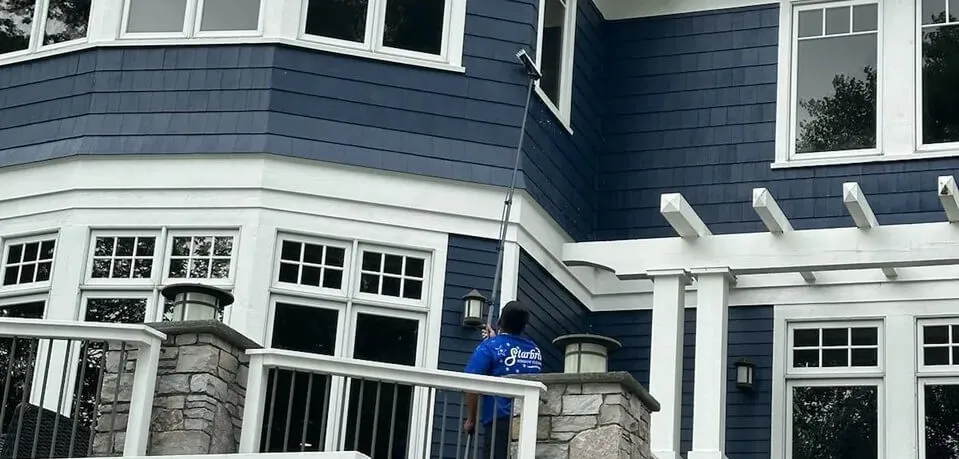
If you've been told your vinyl siding needs cleaning but you're worried about damage, here's the good news: soft washing is not only safe for vinyl siding — it's the cleaning method most siding manufacturers actually recommend. Unlike traditional pressure washing, which blasts surfaces with thousands of pounds of pressure, soft washing uses low pressure and specialized cleaning solutions to break down dirt, algae, and mildew gently. Your siding comes out clean without cracked panels, water behind the walls, or a voided warranty. Let's walk through how it works, why high pressure and vinyl don't mix, and what to look for if you're hiring it out.
What Soft Washing Actually Is
Soft washing flips the usual approach to exterior cleaning. Instead of relying on brute force, it relies on chemistry. A soft wash system applies a biodegradable cleaning solution at low pressure — not much stronger than a garden hose. The solution soaks into the grime, kills the algae, mold, and mildew growing on your siding, and breaks the bond between the dirt and the surface. Then everything gets rinsed away with a gentle, thorough stream of water. Because the cleaning solution does the heavy lifting, there's no need for pressure high enough to damage the siding underneath. And because soft washing kills organic growth at the root instead of just blasting off the visible layer, the results last longer — often two to three times longer than a standard pressure wash.
Why High Pressure and Vinyl Siding Don't Mix
Vinyl is a tough, durable material — it's why so many Minnesota homes wear it. But it was never designed to take a concentrated stream of water at 2,500 to 4,000 PSI. When a pressure washer is aimed at vinyl siding, especially at close range or from an upward angle, several things can go wrong:
- Water gets forced up behind the panels, where it can soak insulation and sheathing and quietly feed mold inside your walls
- Panels crack, chip, or warp — a bigger risk with older siding that's turned brittle after years of Minnesota freeze-thaw cycles
- The finish gets stripped, leaving chalky, faded streaks where the protective surface layer used to be
- Panels loosen or unseat, and caulking around windows and doors gets blown out
- Manufacturer warranties can be voided — many siding warranties specifically exclude damage from high-pressure washing
The frustrating part is that pressure-washing damage isn't always obvious right away. Water trapped behind siding can sit for months before you notice a stain on the drywall or a musty smell inside. That's why we default to soft washing for vinyl siding every time.
What Soft Washing Removes From Vinyl Siding
That green film creeping up your north-facing wall? Algae. The black spots and streaks in the shady corners? Mildew and mold. Twin Cities homes deal with plenty of both, thanks to humid summers and long stretches of shade. Soft washing removes algae and the green haze it leaves behind, black mold and mildew spots, dirt, dust, and road film, spider webs and insect nests, and the general grime that builds up around vents and trim. Because the solution kills the growth rather than just rinsing it off, the green doesn't come creeping back a few weeks later.
Is It Safe for Plants, Pets, and Kids?
Handled correctly, yes. The detergents used in soft washing are biodegradable and heavily diluted by the time they reach the ground. A careful crew will pre-rinse your landscaping before applying the solution, keep plants wet during the wash, and rinse everything down thoroughly afterward. That's the routine our crews follow on every job. If you have a vegetable garden, a pond, or pets that spend the day outside, mention it when you book — it's easy to plan around, and we'd rather know ahead of time.
How Often Should Vinyl Siding Be Soft Washed?
For most Twin Cities homes, a soft wash every one to two years keeps siding looking new and prevents algae from getting established. Homes with heavy tree cover, north-facing walls that rarely see direct sun, or lots near lakes and wetlands may need it annually. A rhythm that works well for many homeowners: pair a siding wash with spring window cleaning, so the whole exterior gets refreshed in one visit.
DIY Soft Washing vs. Hiring a Pro
You can rent equipment and mix your own solution, but there are a few reasons this job is worth handing off. Getting the detergent ratio right matters — too weak and the algae comes back in a month; too strong and you risk harming landscaping or discoloring the siding. Reaching second-story walls safely means ladders or lifts, and falls are the most common injury in DIY exterior cleaning. And knowing where not to spray — around soffits, electrical fixtures, and window seals — is the kind of judgment that only comes from doing it thousands of times.
At Starbrite, our crews are OSHA and IWCA certified, BRC Aerial Lift trained, and fully insured and licensed. We've been family-owned, minority-owned, and locally owned in Blaine since 1988, we've been BBB A+ accredited since 2012, and we've cleaned more than 12,000 homes and 2,000 commercial properties across the Twin Cities metro. When our crew pulls up, they've seen siding exactly like yours — and they know how to bring it back without hurting it.
If your vinyl siding is showing green streaks, black spots, or just a dull layer of grime, soft washing will bring it back safely — no cracked panels, no water in your walls, no voided warranty. We serve homeowners throughout Anoka, Hennepin, Ramsey, Washington, Dakota, and Scott counties. Give us a call at (952) 922-6860 or use the Request a Quote button, and we'll give you a free, no-pressure estimate — the only pressure we bring is the low kind.
Related service: Siding Cleaning