How to Get Streak-Free Windows Every Time
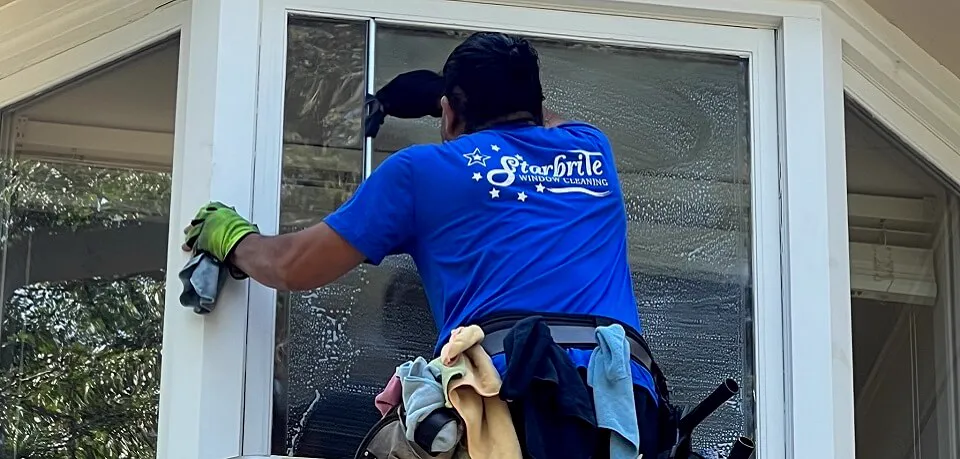
You spend an hour washing the windows, step back to admire the work, and there they are — streaks, lighting up the moment the sun hits the glass. If that sounds familiar, take heart: streaks are not bad luck, and they are not inevitable. They come from a handful of specific, fixable mistakes. Our crews have cleaned over 12,000 homes across the Twin Cities, and the method we use is not a secret. Here is exactly how to get streak-free windows every time — and what to do when the streaks turn out to be something else entirely.
Why Windows Streak in the First Place
A streak is just residue that dried on the glass — leftover soap, dissolved dirt, minerals from the water, or lint from whatever you wiped with. That means every streak traces back to one of three causes: the cleaning solution left something behind, the water dried before you could remove it, or the tool you used deposited as much as it picked up. Fix those three things and the streaks disappear. Everything below is really just those three fixes in practice.
The One Tool That Changes Everything: A Squeegee
If you take one thing from this article, make it this: professionals do not dry windows, they remove the water entirely — with a squeegee. Paper towels and cotton rags push dirty water around and leave lint behind. Newspaper, the old standby, is better but still smears. A quality rubber-bladed squeegee pulls the water (and everything dissolved in it) off the glass in one pass, leaving nothing behind to dry into a streak. A good one costs less than lunch at a hardware store, and the rubber blade is replaceable when it wears. Pair it with a microfiber scrubber or soft-bristled brush for applying solution, and a few clean microfiber cloths for detailing the edges.
Skip the Blue Spray: The Solution Pros Actually Use
Here is a surprise for most homeowners: professional window cleaners rarely use commercial glass spray. Most of us use plain water with a small squirt of dish soap. That is it. The soap breaks the surface tension so water sheets evenly and lifts dirt, and the squeegee removes all of it. The most common solution mistake is using too much soap — more suds means more residue, and more residue means streaks. A teaspoon or so in a bucket of water is plenty. If your tap water is very hard, that can also leave mineral spotting; using less water and squeegeeing thoroughly helps.
The Technique, Step by Step
- Start with the frames, sills, and screens — brush or vacuum loose dirt first so you are not washing it onto clean glass
- Wet the glass generously with your soap-and-water solution using a scrubber, working the edges and corners where grime collects
- Squeegee top to bottom in overlapping strokes, wiping the blade with a clean cloth after every pass
- Detail the edges last — run a dry microfiber cloth around the perimeter of the glass where small drips collect
- Do interior and exterior on different stroke directions (horizontal inside, vertical outside) so if a streak does appear, you instantly know which side it is on
Pick the Right Day (This One Surprises People)
A bright, sunny afternoon feels like the perfect time to wash windows. It is actually the worst. Direct sun heats the glass and flash-dries your solution before the squeegee can remove it — and whatever dries on the glass becomes a streak. Choose a cloudy, mild day, or work on the shaded side of the house and follow the shade around. Early morning and evening work well too. In Minnesota, spring and fall give you the most cooperative weather; midsummer glass in full sun can be too hot to clean well no matter your technique.
When the Streaks Are Not Streaks
Sometimes you do everything right and the glass still will not come clear. Two common culprits: hard water stains and seal failure. Hard water stains are mineral deposits — usually from sprinklers hitting the glass — that etch into the surface over time and will not respond to soap and water; they need specialized treatment, and the longer they sit, the harder they are to remove. Seal failure is fogging between the panes of a double-pane window, and no amount of cleaning will fix it because the moisture is inside the glass. If you are scrubbing the same spot for the third time, stop and check which of these you are dealing with — it will save you a frustrating afternoon.
When It Is Worth Calling a Pro
The technique above works beautifully on ground-floor windows. Where it falls apart is height. Second-story glass means ladder work, and ladders send thousands of homeowners to the emergency room every year — wet hands and uneven ground do not help. Reaching high glass safely takes equipment and training, which is why our technicians are OSHA, IWCA, and BRC Aerial Lift certified, and why Starbrite is fully insured and licensed for every job we take on. There is also the simple math of time: a full inside-and-out cleaning of a typical home, done properly with screens, sills, and tracks, takes most homeowners the better part of a day. Our crews do it in a few hours, streak-free, guaranteed.
Let Us Handle the Streaks for You
Keep a squeegee under the sink for touch-ups, clean on cloudy days, and go easy on the soap — you will be ahead of most homeowners already. And when it is time for the full job, we would be glad to take it off your plate. Starbrite Window Cleaning is family-owned, minority-owned, and locally owned in Blaine since 1988, BBB A+ accredited since 2012, serving the entire Twin Cities metro — Anoka, Hennepin, Ramsey, Washington, Dakota, and Scott counties. Call (952) 922-6860 or click Request a Quote, and we will give you an honest number and glass you can actually see through.
Related service: Residential Window Cleaning